Making of Pashmina
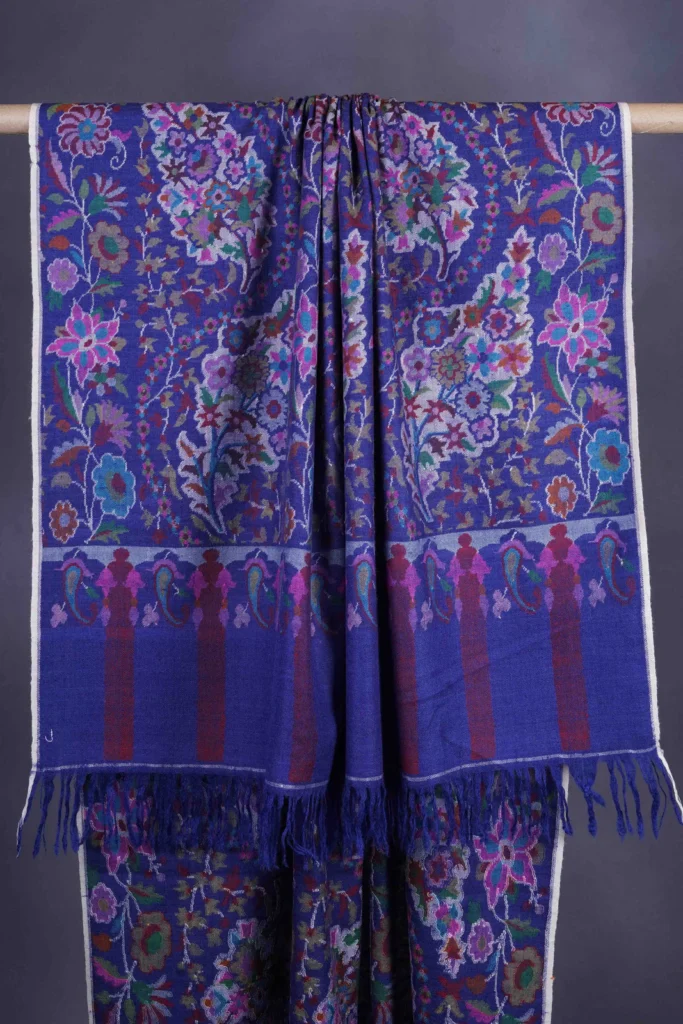
The term “pashmina” comes from the Persian word “pashm,” which translates to Soft Gold. Pashmina is more than just a shawl, it embodies the essence of the mountains, crafted from silence, warmth, and years of dedication.
Soozni Kari – Embroidery Every stich a prayer , every shawl a rich tapestry of live
Kani Pashmina – The waevers Masterpiece A craft where every motif is written first and woven next
The Creation of Pashmina
A tradition passed down through generations, where each thread tells a tale.
1. The Gathering of Pashm — The Soft Gold
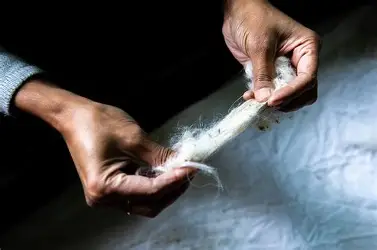
High in the mountains of Ladak, the Changpa nomads live alongside the Changthangi goats. Each spring, as the snow melts, these goats shed their valuable pashm, the softest undercoat known as sonthur suneh, or “soft gold.”
The Changpa carefully comb this treasure, taking their time, as each fiber carries the essence of the mountain winds. Only five percent of the world’s genuine pashmina is sourced from this sacred hand-gathering a rarity that is highly valued.
2. Carding the Fiber — The First Touch
The raw pashm comes to our vuchun (valley), still wild and tangled like clouds in the wind. Here, the fiber carder (Tchandar) starts the gentle task.
Using darcha (bowed) wooden combs, they carefully untangle the knots, making the fibers soft and fluffy. This process is not just a job but a gawun a song that has been passed down through generations, as each card is handled by those trained by their fathers and grandfathers.
3. Spinning the Thread — The Dance of the Charkha
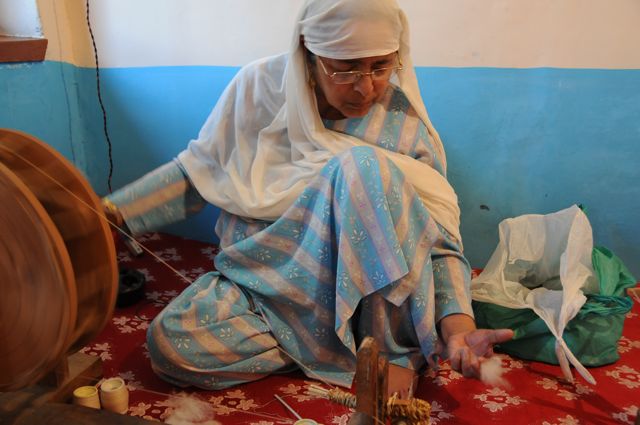
By the window, in peaceful homes bathed in soft light, the spinner (Charkhugar) takes the fluffy fiber. Using a wooden charkha (spindle), her fingers gently transform the pashm into thread so delicate it appears to hover, as if suspended between the earth and the sky.
The twist of the thread is slow and soothing song of patience, woven with stories passed down through generations.
“Har resham chhu kahani, har dor kashur zuban”
(Every silk holds a story, every thread a Kashmiri tongue.)
4. Dyeing the Threads — Nature’s Palette
Once spun, the threads encounter the colors of the wuch (valley). The dyer (Rangar) mixes earth and root to bring life to the wool: the rich brown of akhrot (walnut husk), the deep blue of neel (indigo), the bright glow of kesar (saffron), and the vibrant red of ratan jot (madder).
These natural colors gently blend into the fibers, carrying the scents of earth and fire, never overwhelming the purity of the pashm, but enriching its essence.


5. Setting Up the Loom — The Loom of Destiny
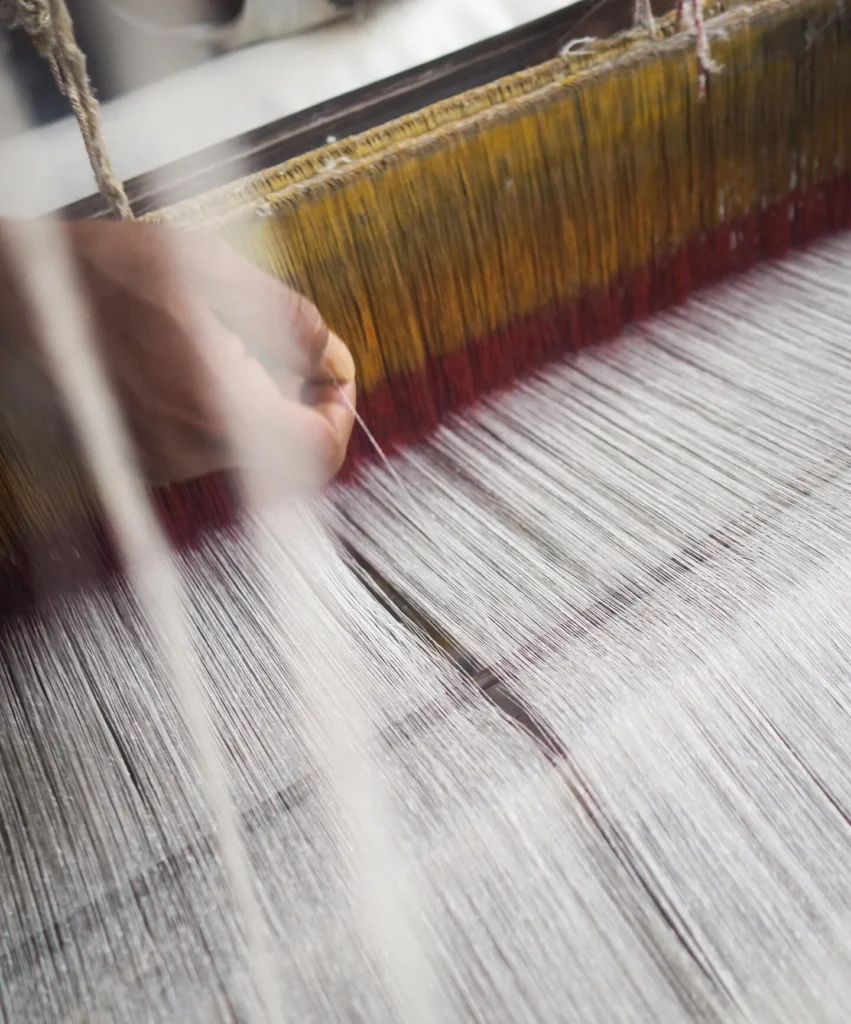
The khat (loom) is prepared, quiet and waiting for the next chapter. The warp specialist (Yarngur) meticulously arranges the threads, side by side, while the warp tier (Bharangur) manually ties each thread to the loom.
This intricate job is a prayer woven into a holy ritual where every thread discovers its destined position, balanced between accuracy and respect.
6. Weaving the Fabric — The Dance of the Wovur
Now, at the core of the craft: the weavers (Wovur), positioned opposite each other, infuse life into the thread. Their hands move in harmony, the shuttle flows through the warp, creating not just wool but also stories, dreams, and heritage.
A simple pashmina can take days; an ikat design may require weeks; a kani shawl could take months, each possessing its own unique patterns and meanings.
Each movement of the shuttle inscribes a line in the shair (poem) of Kashmir.


7. Final Details — The Essence of the Shawl
Finally, the finisher (Voste) concludes the process. The shawl is cleaned in clear mountain waters, brushed with willow branches, and dried under the warm sunlight.
This gentle finishing brings the fabric to life, soft, strong, vibrant — prepared to wrap the wearer as a piece of living art.
The Four Aspects of Pashmina — A Craft of Threads and Time
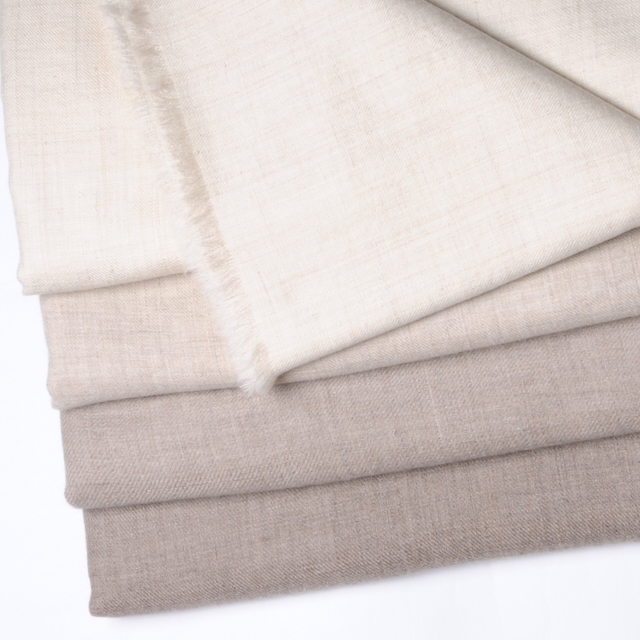
1. Plain Pashmina The Essence of Purity
In the straightforwardness of a simple pashmina resides profound poetry a melody of soft shades reflecting the peaceful valleys of Kashmir.
These shawls communicate in subtle tones, in solid colors or soft reversibles, where every thread is allowed to express its own tune. This simplicity encourages you to express yourself.
We provide a hand-dyed color shading card and a selection of genuine threads, each representing a numbered promise. No filters, no screen reflections and just the color you can feel in your hands.
After selection, your color goes to the dyer (Rangur), whose knowledge has been passed down through generations. In hot copper pots and quiet prayer, he colors the threads precisely to your selected shade. So what you feel in your heart is now in the pashmina as well.
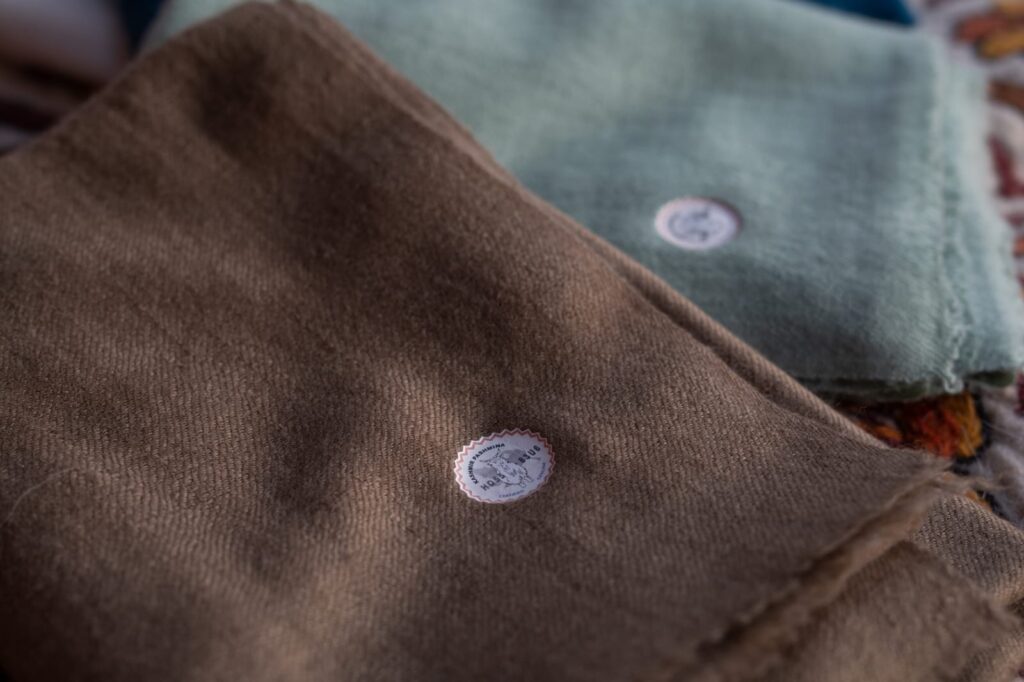

A plain pashmina holds a simple yet profound poetry and a harmony of soft shades that reflect the peaceful valleys. These shawls express themselves in quiet tones, whether in solid colors or gentle reversibles, where every thread can share its own story.
Handwoven with care, their beauty is unspoken, pure sonthur suneh soft gold that is simple but never ordinary. When you wear these shawls, you carry the silence of the mountains, the softness of the clouds, and the warmth of home.
In the gentle simplicity of a plain pashmina, each hue conceals a secret: soft, calming, and soothing to the spirit. We offer a hand-dyed color shading card, each numbered thread is a promise. When you pick from this card, our dyer (Rangar) will match your shade perfectly. No screen glare, no photo distortion just the color you hold, dyed to come alive on your shawl in pure sonthur suneh.
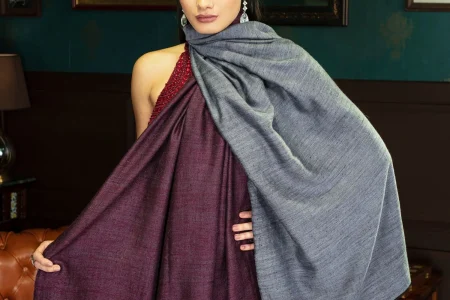

2. Ikat Design Pashmina — The Colorful Dance
Envision color gently infused into thread prior to weaving a meticulous skill where threads are dubuk (tied and dyed) to unveil their beauty only when combined. In Ikat, every pattern lies concealed in the strand until the shuttle brings it to life. This is the valley’s secret choreography where the dyer and weaver unite in silent agreement to let color thrive as the shawl takes shape.
3. Sozni Embroidery Pashmina — The Weave of Dreams
Sozni represents a sacred needle kiss. Master artisans adorn soft Pashmina on these shawls with gentle silk tiny vines, blooms, each pattern a testament to patience and dedication. Only in Kashmir can such exquisite artistry thrive—every stitch a prayer, every shawl a rich tapestry of love.


4. Kani Pashmina — The Weaver’s Masterpiece
Kani is where time blends with tradition.
Rooted in Persian history, Kani shawls are woven in a hidden language—once Persian script, now numerical codes in the Talim—steering the artisan’s every action.
Each kani (small wooden stick) holds a unique color, and a single shawl may utilize between 75 and 360 canis, each representing a thread in an old script. Talented artisans follow the Talim—a coded script of knots and shades—chanting color codes as they weave.
A Palladar design shawl might take months; a full Jamawar can take 3 to 36 months, worn not merely as clothing but as history draped over your shoulders.
This is royal craftsmanship, woven in soft languages, created knot by knot—where every motif is both ancient and vibrant, more precious than time itself.